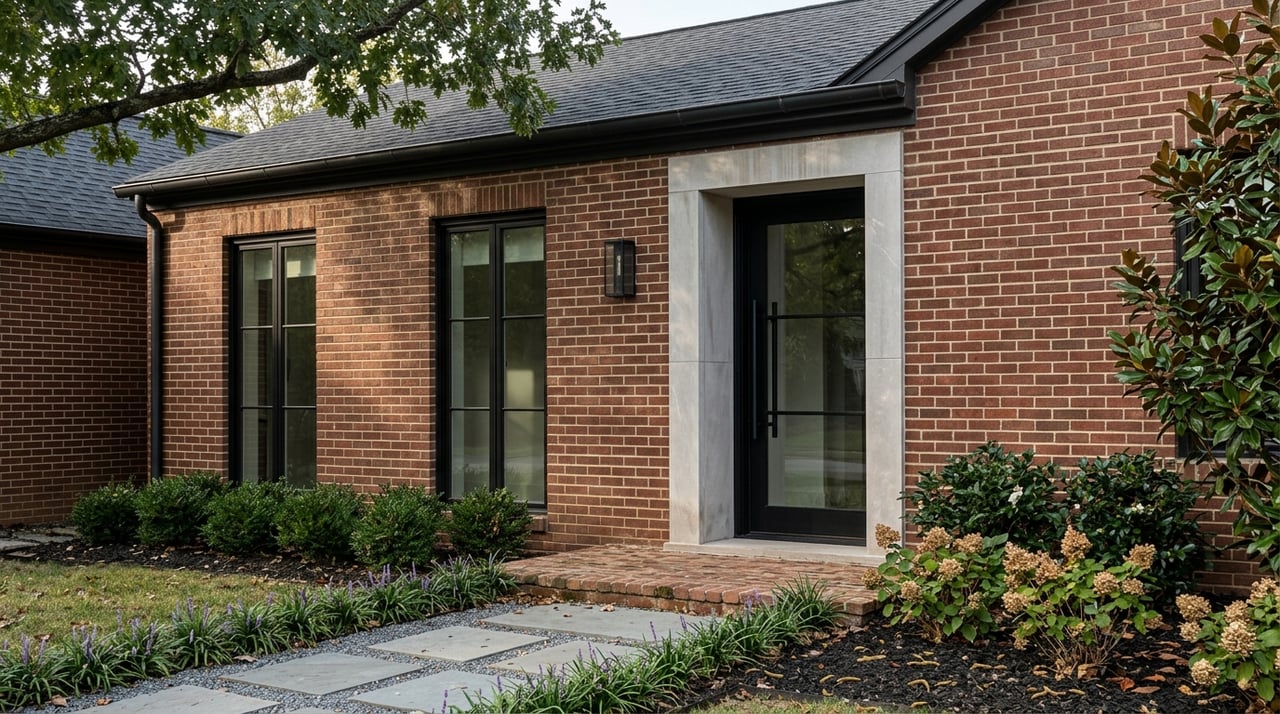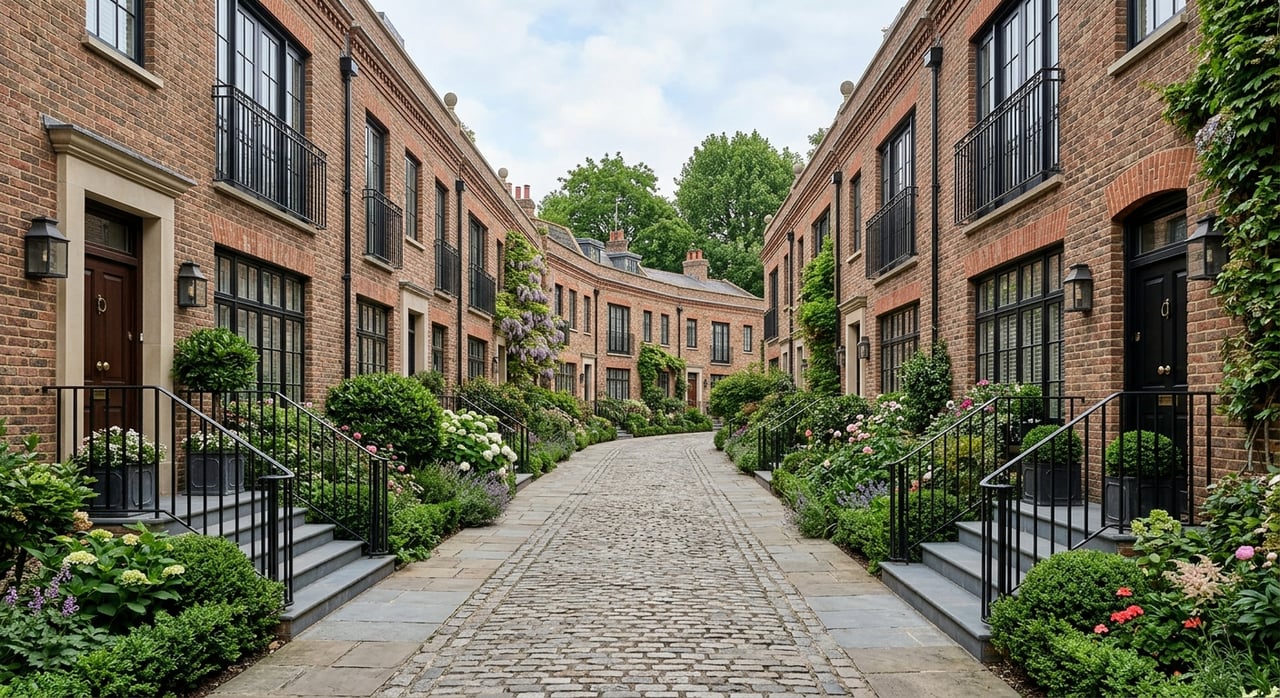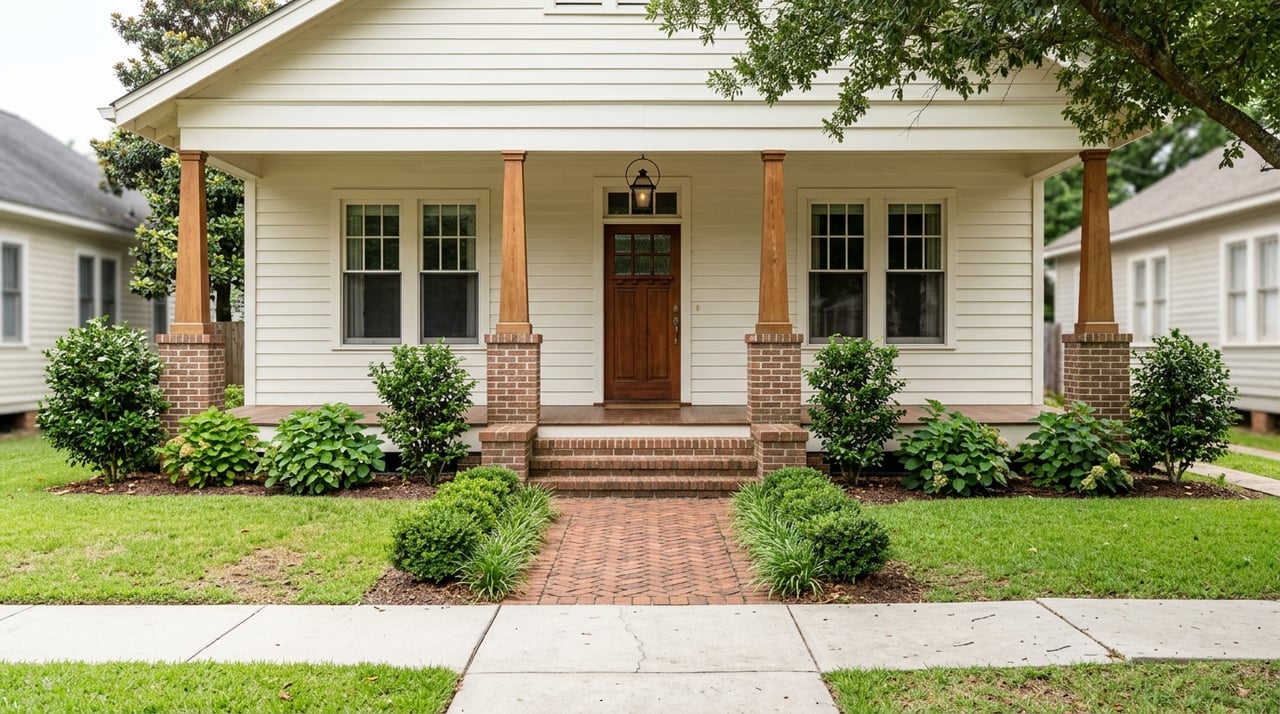
If you are drawn to the charm of a front porch, tall windows, and streets that still reflect Marietta’s early growth, historic homes around Marietta Square can feel hard to resist. They also come with a different set of questions than a newer property, especially when district rules, exterior changes, and renovation history all affect what you are really buying. This guide will help you understand what to look for, what makes these homes special, and how to approach the search with more clarity. Let’s dive in.
Why Marietta Square draws historic-home buyers
Marietta Square is more than a landmark. The city describes it as a central gathering place centered on Glover Park, with festivals, concerts, markets, shopping, restaurants, museums, theatres, and parking options. For many buyers, that mix of daily convenience and historic character is a major part of the appeal.
Living near the Square can also mean a more walkable lifestyle. Downtown Marietta has a Walk Score of 77, which supports the idea that many errands and outings can happen without a long drive. If you want a home with personality near an active town center, this area offers a combination that is hard to duplicate.
Historic districts near the Square
One of the first things to understand is that not every historic-looking home around Marietta Square falls under the same rules. The city’s preservation framework includes the Downtown Marietta Historic District, five National Register historic districts, and three locally designated residential historic districts. That means two similar homes may come with different review requirements depending on where they sit.
This matters early in your search, not after you go under contract. District verification should be part of your first-round due diligence because renovation plans, exterior updates, and even small design ideas may be treated differently from one district to another.
Church-Cherokee Streets
Church-Cherokee Streets sits about one-third of a mile north of the Square. According to the city, it covers roughly 76 acres and 124 parcels and is mostly residential. Its period of significance runs from about 1843 to 1935, which gives buyers access to a long span of Marietta housing history in one area.
The district includes homes from the mid-1800s, houses from the late 1800s and early 1900s, and many residences built in the 1910s and 1920s. That wide range helps explain why streetscapes can feel layered rather than uniform.
Kennesaw Avenue
Kennesaw Avenue is Marietta’s first locally designated residential historic district. The city’s report describes a mix of high-style houses on larger lots with deeper setbacks and more vernacular homes located closer together. For buyers, that means you may see more variation in lot feel, scale, and street presence even within the same district.
What kinds of historic homes you will see
In-town Marietta includes a broad mix of house forms and styles. Common forms include shotgun, double shotgun, side-gabled cottage, gabled wing cottage, pyramid cottage, New South cottage, and I-house. Significant styles listed by the city include Italianate Victorian, Queen Anne Victorian, Folk Victorian, Greek Revival, Gothic Revival, Georgian Revival, Arts and Crafts or Craftsman, Tudor Revival, Prairie, Minimal Traditional, Bungalow, and Post-World War II Ranch.
That range is part of what makes the area so interesting. You are not shopping one single look. You are shopping a collection of homes shaped by different decades, building patterns, and later updates.
Common styles in Church-Cherokee
In Church-Cherokee, the prevalent two-story house types are Georgian house and Queen Anne house. The district also includes bungalows, gabled ell cottages, Georgian cottages, pyramid cottages, and some ranch houses. If you want a neighborhood where historic details show up in different forms, this district gives you a lot to compare.
Features buyers often notice first
Some details tend to stand out right away when you tour homes near the Square:
- Front porches
- Wraparound porches
- Decorative woodwork
- Tall windows
- Asymmetrical Queen Anne massing
- Roof forms that still read clearly from the street
These are not just pretty details. In a historic setting, they can also matter when you evaluate how much of a home’s original character remains visible.
Why historic homes rarely feel "all original"
It helps to go in with realistic expectations. The city’s residential rehabilitation guidance shows that many older houses were expanded with wings or rear additions rather than rebuilt from scratch. In other words, change over time is normal.
The Church-Cherokee report also notes that the historic residences remain in good condition and are occupied by private residents, even though expansions and replacements have happened over the years. These are living homes, not frozen-in-time properties. That is often a positive, but it means you should look closely at what is original, what was added later, and how those changes affect function and upkeep.
What buyers should verify before making an offer
Historic-home due diligence is a little more layered than a standard home search. The city points to a few practical questions that matter most for buyers.
Start with these questions
- Is the property in a local historic district?
- What exterior work already has Certificate of Appropriateness approval?
- Which parts of the home are original?
- Which parts are later additions or exterior alterations?
Those questions can help you avoid surprises. A house may look deeply historic from the street while still having many changed exterior elements, and that can affect future plans.
How exterior changes are reviewed
If a home is in a local historic district, exterior work often involves an added step. Marietta states that exterior changes generally require a Certificate of Appropriateness, including new construction, demolition, and material changes to exterior appearance. Minor repairs and interior changes are exempt.
The city also says the ordinance is designed to protect historical and aesthetic character while still giving owners reasonable flexibility for maintenance and special circumstances. That balance is important. Historic district ownership does not mean you cannot improve your property, but it does mean the visible exterior may be reviewed more carefully.
Renovation guidelines that matter most
If you plan to buy and update, the city’s rehabilitation guidelines are worth taking seriously. The overall approach favors repair over replacement.
What the city generally encourages
- Retaining original entrances and porches when feasible
- Keeping or repairing windows
- Matching replacement windows to the original opening and pane pattern
- Preserving roof shape where visible from the street
- Preserving historic gutters where visible from the street
For a buyer, this can shape both budgeting and design expectations. The most efficient upgrade path is not always the one that best fits a historic district context.
Changes that may create issues
The same guidelines discourage several common alterations:
- Permanently enclosing front porches
- Filling original openings
- Adding inappropriate shutters
- Covering historic materials with non-historic siding
- Using aggressive cleaning methods on masonry
If you are comparing two homes, one with preserved features and one with heavy exterior changes, that difference can matter beyond appearance alone. It may affect the home’s historic character, future improvement options, and the scope of restoration work you may want to take on.
Energy efficiency in an older home
Many buyers assume efficiency upgrades always begin with full replacement. In these homes, the city’s preferred path is often more measured, such as weatherstripping, caulking, and storm windows that do not obscure historic appearance. That can be useful context if you want better comfort without losing the details that make the house special.
Market context around Marietta
Marietta’s broader housing market remains active. Realtor.com’s May 2026 summary shows a median listing price of $515,000, 1,653 active listings, a median of 37 days on market, and a 99% sale-to-list ratio. Redfin’s March 2026 data puts Marietta’s median sale price at $519,000, up 7% year over year.
Near the Square, pricing tends to be more property-specific. Redfin’s Downtown Marietta data shows a median sale price of $767,000 for the three months ending May 2026, but that figure is based on only two sales and a 147-day median time on market. The takeaway is not that every historic home near the Square fits one neat price band. It is that small sample sizes can make the area look more uniform than it really is.
What this means for your home search
When you shop historic homes around Marietta Square, it helps to focus on tradeoffs instead of broad assumptions. One property may offer stronger architectural detail but need more exterior planning. Another may have later additions that improve daily function but reduce originality.
A smart search usually comes down to four things:
- Verifying the district before you get emotionally attached
- Understanding which exterior elements are original or altered
- Matching renovation goals to local review requirements
- Evaluating value on a property-by-property basis
That is especially important in a near-Square market where inventory can be thin and homes vary widely in age, condition, and character.
Why guidance matters with historic homes
Historic properties often reward buyers who move with patience and good information. You are not only evaluating bedrooms, baths, and finishes. You are also weighing preservation context, prior approvals, visible architectural integrity, and the realities of maintaining an older home.
With the right strategy, that process can feel exciting instead of overwhelming. If you want help comparing homes near Marietta Square, understanding the tradeoffs, and approaching the search with clear guidance, Brennan Ballard is here to help.
FAQs
What historic districts are near Marietta Square?
- Near Marietta Square, buyers may encounter the Downtown Marietta Historic District as well as nearby residential historic districts such as Church-Cherokee Streets and Kennesaw Avenue.
What home styles are common around Marietta Square?
- Common in-town Marietta forms and styles include cottages, bungalows, Queen Anne, Georgian Revival, Folk Victorian, Craftsman, Tudor Revival, and Post-World War II ranch homes.
What should buyers ask before buying a historic home in Marietta?
- Buyers should ask whether the home is in a local historic district, what exterior work has approval, and which features are original versus later additions.
What is a Certificate of Appropriateness in Marietta?
- In Marietta’s local historic districts, a Certificate of Appropriateness is generally required for new construction, demolition, and material exterior changes, while minor repairs and interior changes are typically exempt.
Are historic homes near Marietta Square all priced the same way?
- No. Homes near the Square tend to be highly property-specific, and small sales samples can make broad pricing conclusions less reliable.
Is living near Marietta Square walkable?
- Downtown Marietta is rated very walkable, and the Square itself is known for events, shopping, restaurants, museums, theatres, and other everyday lifestyle amenities.