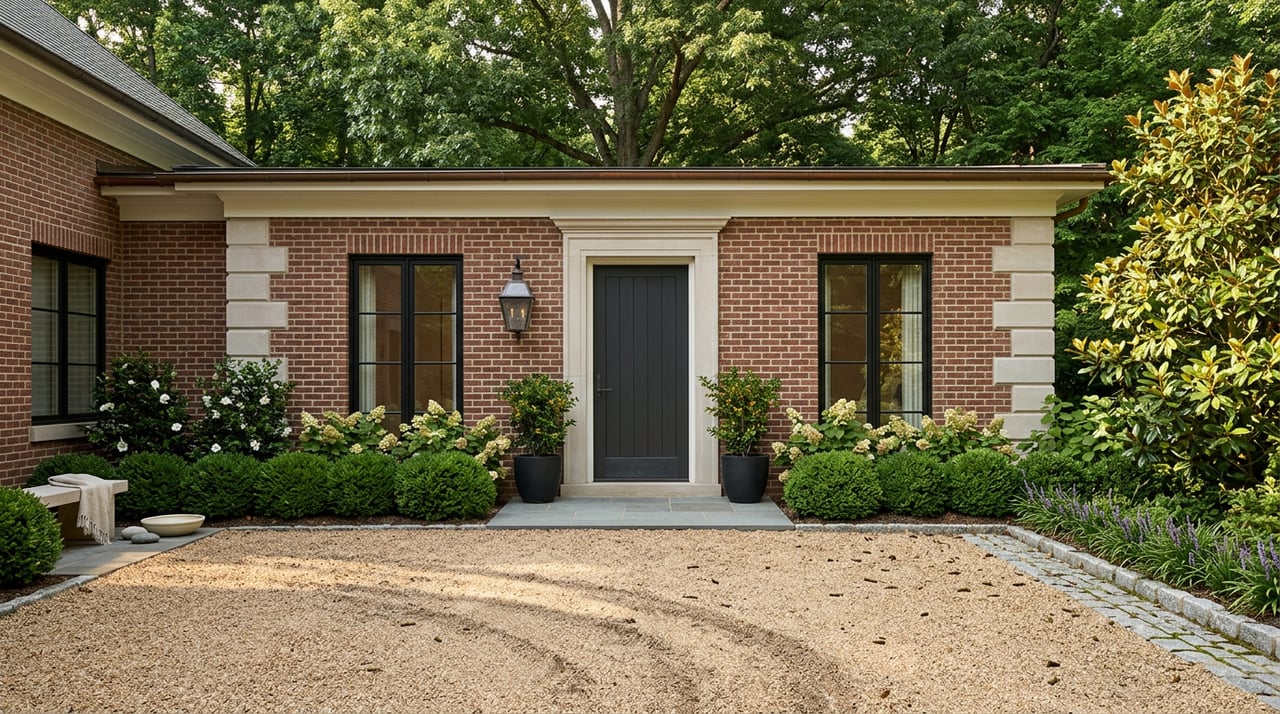
Most sellers in Milton walk into a listing conversation thinking the hard part is pricing. In this market, pricing is the easy part. The citywide median sits near $1.1 million as of 2026, roughly a third of listings clear $1 million, and estate inventory above $5 million is thin enough that buyers arrive prepared to pay. What stalls these deals is not the number on the contract. It is four overlapping approvals — septic, well, tree canopy, and AG-1 envelope — that a buyer's inspector will surface on their schedule if the seller has not surfaced them first.
The thesis of this guide is simple. In Milton, closing control is a documentation problem, not a price problem. Every hour spent assembling the paper trail before listing is an hour the seller keeps out of due-diligence renegotiation.
Why This Market Rewards Documentation
Milton is protected by AG-1 agricultural zoning that requires four-acre minimum lots and preserves the city's rural and equestrian character. The corollary is that almost every estate-tier home outside a subdivision sits on well and septic, not municipal utilities. Buyers relocating from Buckhead, Brookhaven, or out of state are frequently first-time septic owners. Their inspector will treat the system as a black box until proven otherwise, and their lender will treat it the same way.
Georgia does not require a pre-sale septic inspection. Lenders effectively do. FHA, VA, and most conventional loans will not close without proof of a functioning private sewage system, and appraisers flag properties with private water for the same review. That converts a state-level "optional" step into a mandatory one for any Milton listing not sold to a cash buyer with an unusually high risk tolerance.
Approval One: Septic and Form 14.L
The document that closes deals in Fulton County is Georgia Form 14.L, the Performance Evaluation Report issued by the county Environmental Health office. Title companies and Metro Atlanta lenders treat it as the gold standard, and a private DPH-certified report is usually accepted as an equivalent when the county's queue is long.
A thorough evaluation opens both compartments of the tank, measures sludge and scum, checks the effluent filter, probes the drain field for saturation, and verifies setbacks. Georgia requires 50 feet between a septic tank and a well, 100 feet between a drain field and a well, and 150 feet from a cesspool. Older Milton properties predating current standards sometimes fail these setbacks on paper even when the system functions, and that is the kind of finding a seller wants to know about in April, not the week before closing.
A few numbers worth pricing into your listing prep:
| Item | Typical Range | Notes |
|---|---|---|
| Form 14.L evaluation | $400 to $600 | County Environmental Health |
| Private DPH inspection | $300 to $500 | Accepted by most Metro Atlanta lenders |
| Pump-out during inspection | $237 to $375 | Usually required for full assessment |
| Full system replacement | $10,000 to $30,000+ | Rare, but the price gap a failed system opens |
Two-compartment tanks with effluent filters are required on every system installed after February 20, 2000. If your home was built or the tank was replaced before that date, expect the inspector to look harder, and consider installing risers so the tank access sits at grade. Risers cost a few hundred dollars and quietly tell the buyer's inspector that the system has been maintained on purpose.
Approval Two: Well Potability
Milton acreage almost always means a private well. HUD's underwriting standard is short: water must meet the requirements of the local health authority, and where those are silent, it must be potable under the EPA's guidance for individual water supply systems. That translates, in practice, to a certified lab test for coliform bacteria, nitrate, nitrite, and lead before the buyer's lender clears the file.
The most accessible local lab is the UGA Cooperative Extension office. Fulton County residents can drop samples at the Sandy Springs location, and the panel most closings actually need is Extension's Home Loan Closing package at $85 plus shipping, which bundles lead, nitrate, nitrite, and bacterial screening in a single order. A Basic Water Test at $22 or an Expanded Test at $62 is useful for a homeowner curious about hardness or heavy metals, but neither satisfies a lender on its own.
If the property is on a shared well, pull the recorded Shared Well Agreement from the deed file before you list. Buyers' attorneys will ask for it, and a missing or ambiguous agreement is one of the few items that can put a closing on hold without a clear fix.
Approval Three: The Tree Canopy Math
This is the approval most sellers do not know exists. Milton's Tree Canopy Conservation Ordinance took effect on August 3, 2020, and it governs how much of a lot must remain under canopy when trees are mature. For AG-1 parcels, lots between 1 and 1.49 acres must retain 57 percent canopy coverage, and lots between 1.5 and 2.99 acres must retain 40 percent. Larger AG-1 tracts fall under additional tiers in Chapter 60 of the city code.
Two seller-side implications:
- Pre-listing "cleanup" removals to open sight lines or expand a lawn can drop a property below its required tier, which the buyer's surveyor or the city can catch. Questions before you touch anything should go to City Arborist Sandra Dewitt.
- The ordinance also enforces a 50-foot undisturbed buffer from state waters. If your property borders a stream or pond, that buffer is essentially untouchable, and staging or clearing inside it exposes the seller to penalties from Milton and the Georgia Environmental Protection Division.
The practical move is to leave the canopy alone in the six months before listing and market the mature trees as the amenity the ordinance was written to protect.
Approval Four: The Buildable Envelope
The last item is the one that determines whether your listing photos are marketing a lifestyle or a lawsuit. Setbacks, septic fields, well locations, drainage easements, stream buffers, and tree save areas each carve into the usable footprint of the parcel. A five-acre estate can have a buildable envelope that will not accommodate the pool or barn a buyer assumes is possible.
Before you list, three documents are worth pulling from the City of Milton Planning and Zoning Department and Fulton County records:
- Current zoning district confirmation and any variances on file.
- A recent boundary survey or plat showing easements, setbacks, floodplain lines, and covenants.
- As-built septic records and the well log from Fulton County Environmental Health.
If your marketing story includes an addition, a barn, or a guest structure that has not been built, get a civil engineer or land-use attorney to confirm feasibility in writing. Buyers pay a premium for verified possibility. They discount aggressively for "should work."
The Pre-Listing Packet Your Agent Should Have
A one-page septic and well story, assembled before the sign goes in the yard, is worth more than any staging decision on a Milton acreage home. The packet should contain:
- County permit and as-built for the septic system.
- Pump-out receipt dated within the last twelve months.
- Form 14.L or a DPH-certified private inspection report.
- Well log from Fulton County records and a Home Loan Closing water test result.
- Shared Well Agreement, if applicable, pulled from the deed file.
- Current plat with setbacks, easements, buffers, and tree save areas marked.
- Documentation of any tree removal permits pulled since 2020.
Georgia's seller disclosure asks about the sewage system directly. A clean paper trail turns that line from a liability into a feature and shifts the negotiation from "what might be wrong" to "what more do you want to know."
FAQ
Do I have to inspect before I list? No. Georgia does not require a pre-sale septic or well inspection. Your buyer's FHA, VA, or conventional lender will almost certainly require both, so volunteering the reports on your timeline keeps the negotiation in your hands rather than the buyer's inspector's.
What if the septic fails during due diligence? Get a second opinion from a company that performs repairs, not just inspections. A saturated field after a wet week, a clogged effluent filter, or a swapped baffle are minor fixes that sometimes get written up as system failures. A $15,000 replacement quote and a $600 repair can describe the same system on the same day.
Can I clear trees before listing to improve curb appeal? Not without checking the canopy math and, in most cases, a permit. The Tree Canopy Conservation Ordinance applies to AG-1 lots at specific coverage tiers, and Milton's 50-foot state-waters buffer sits on top of that. When in doubt, leave the canopy and market it.
Does any of this apply to homes inside a Milton subdivision on public sewer? The septic and well items do not. The tree canopy ordinance and AG-1 envelope rules still apply on any parcel that carries the AG-1 designation, and HOA rules on many north-Milton subdivisions are stricter than the city code.
Let's Connect
Selling well in Milton is less about staging and more about assembling the file the next buyer's lender will demand. If you are considering a listing in the next twelve months and want a walkthrough of what your specific parcel will need on paper, Brennan Ballard works through this process quietly, patiently, and on your timeline. Let's Connect.